The manager of the future has a team not of people, but of AIs
Anyone with the ambition to become a manager can rejoice. Because sooner or later, you will become a manager. Not of a department full of colleagues, but of a team of intelligent AI agents.

We are on the eve of a major shift in how we work. We are the last generation who find it normal to work in teams composed exclusively of human colleagues. The next generation will grow up in a world where consulting an AI is as natural as asking a colleague a question.
From collaborating with people to collaborating with machines
Until now, we have primarily viewed technology as a tool. A means to work faster, maintain an overview, or communicate better. But the new generation of AI, with tools like ChatGPT 5 and the rise of AI agents, fundamentally changes that.
AI is no longer just a tool, but a teammate. An employee who can perform tasks independently, make decisions within defined parameters, and learn from feedback.
Soon, everyone will have their own “digital team” – a set of AIs that support you in research, communication, planning, creation, or even strategy. And your role? That changes from executor to director. From colleague to manager of AIs.
The new skills that come with it
This requires a different mindset. The manager of the future doesn't necessarily need to know how AI works on a technical level, but rather how to collaborate with it.
You will need to learn:
- To divide tasks between human and machine.
- To give instructions (prompting) that lead to the correct results.
- To provide feedback to your AI agents so they improve.
- And most importantly: to recognise when something is better done by a human.
Those who develop these skills now will have a huge advantage later.
Start experimenting today
The future of work isn't something that starts in ten years. It starts now. And fortunately, you can get started with it today.
- Visit theresanaiforthat.com. There you will find nearly 40,000 AI tools, from smart writing aids to data analysts and creative assistants. Try a few out and discover what's possible.
- Follow our e-learning on AI agents. In this training, you will learn exactly what AI agents are, how to deploy them in your work, and how to build your own team of digital assistants that genuinely add value.
- Experiment with Agents Mode in ChatGPT 5. This allows you to build your own personal AI assistant: one that understands your work, recognises your style, and even thinks ahead.
The future of work is hybrid: human and AI
The coming years will see us experience a unique period. A time when work doesn't disappear, but transforms. Where technology doesn't replace humans, but enhances them. Everyone who learns to collaborate with AI now will realise: you don't become redundant, you become more powerful. So: get started. Build your first AI agent. And discover what it feels like to be the manager of your own digital team.
- Best AI tools
- GEO: discoverable in AI search engines
- Writing AI prompts
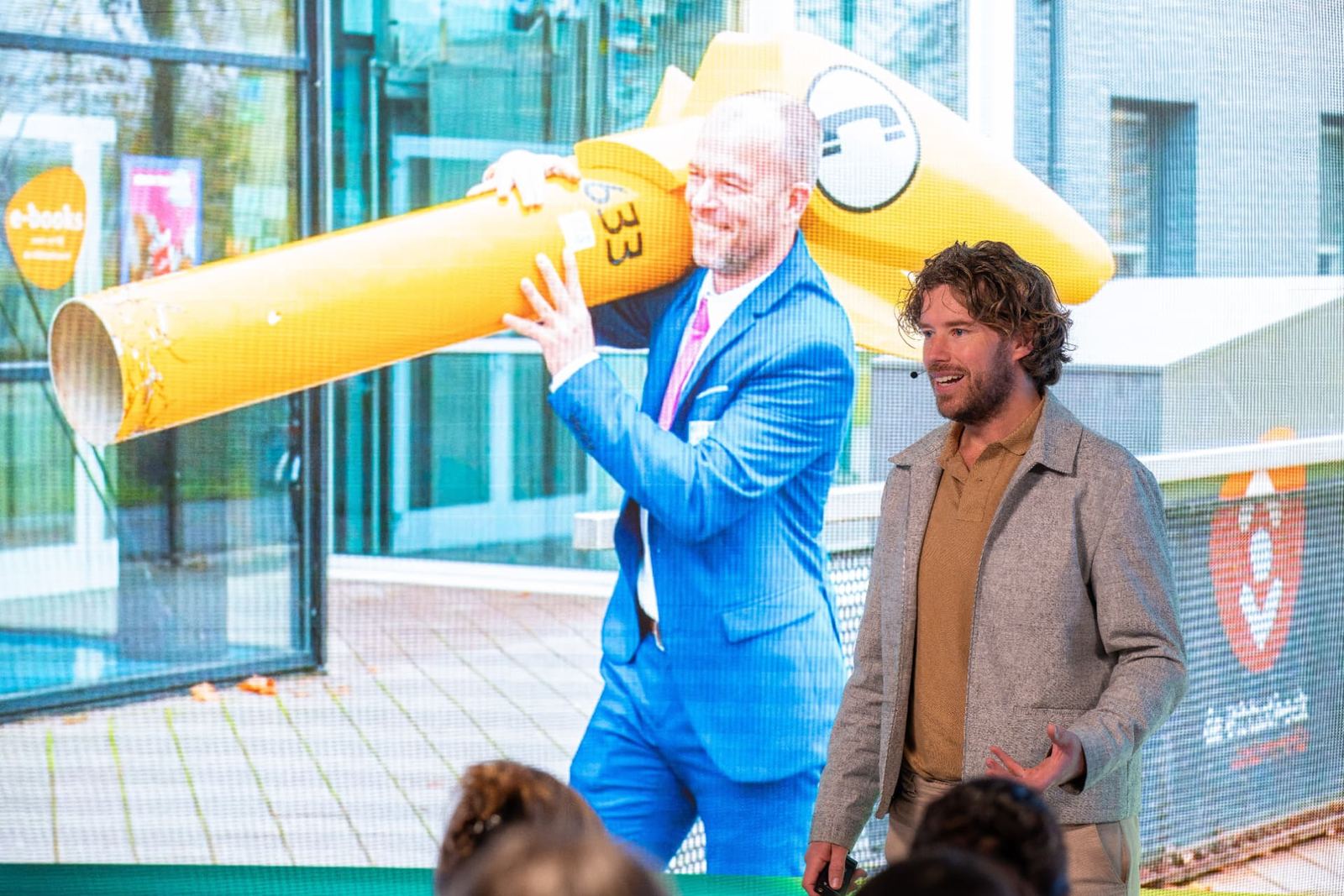
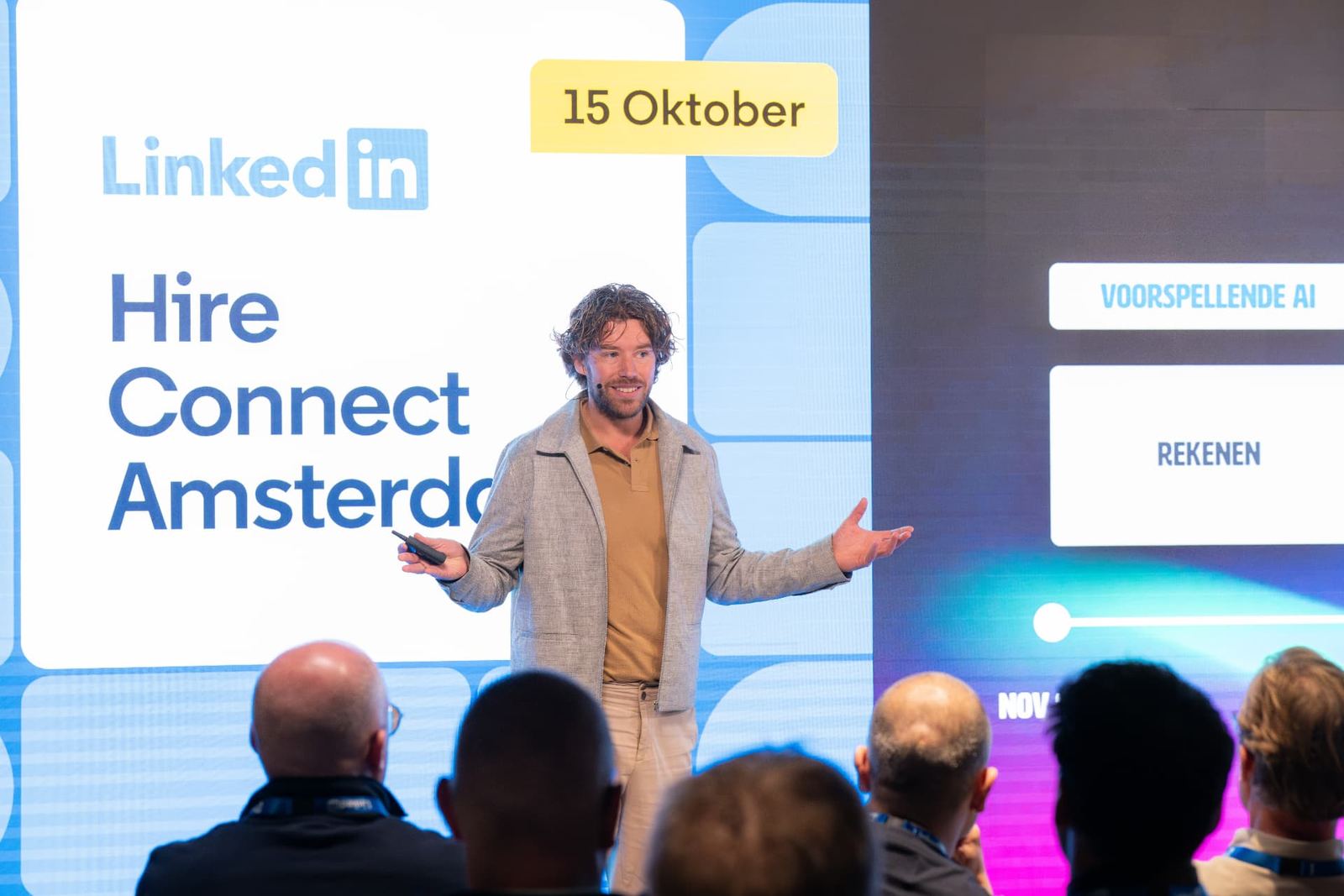
Job van den Berg is an AI keynote speaker, tech entrepreneur and author of five books on AI. He ships AI agents into production every week and delivers 150+ keynotes a year on AI agents and agentic commerce.
The short answer: by being able to say, at any moment, what each agent does, which model it runs on, which data it works with and since when. If you don't know that, you can't call an agent safe, however good the technology around it is. You capture that overview in a passport per agent, which you update with every change and review every quarter. Below is how that works and why it is more than paperwork.
Intelligent AI agents need a reliable data foundation. Identity resolution, Customer 360, data orchestration and governance: from a single source of truth to a system of context.
Top brain, workhorse or sprinter? Choose the right AI model for each task and balance quality, speed and cost with smart AI-agent orchestration.
AI can accelerate archive research, but it can also invent missing facts convincingly. How to combine the right model, strict instructions and critical verification for reliable genealogy research.