Do AI Models Have Feelings? Why We Shouldn't Confuse Technology With Emotion
The discussion around artificial intelligence (AI) is taking a striking turn. Tech company Anthropic is concerned about the well-being of its AI chatbots. After all, the models seem to be increasingly adopting human characteristics. But should we really be worried about the “feelings” of an algorithm?

AI remains statistics with muscles
AI models are, and remain, essentially statistical systems. Of course, they are becoming increasingly sophisticated. They can communicate convincingly, appear empathetic, and even seem human. But behind that façade lies no consciousness, no feeling—only computational power. Or as one might say: statistics with very big muscles.
The idea that AI has feelings is simply not true. The models are designed to respond functionally to human input. They act friendly because that provides a better user experience. Their 'friendliness' is purely instrumental. They are built to communicate in a human-like way to make interaction more pleasant and accelerate AI adoption.
Anthropomorphism: we humanise technology
We have reached a point where we anthropomorphise technology – we attribute human qualities to something that does not possess them. This is nothing new. In the past, we named our cars or spoke affectionately to a coffee machine that refused to work.
But with AI, that effect is much stronger. We are having more and more conversations with computers. And because AI responds more fluidly and naturally, it also seems more human. This is confusing, as it reinforces the illusion that there is “something” behind it. Yet, it remains a functional, statistical approach – a tool designed to make our interaction as smooth as possible.
The core: AI is functional, not feeling
Let's be clear. AI feels nothing. It understands nothing. What it does is recognise patterns, perform calculations, and predict the most probable next step. In that process, it sometimes seems human, but that is an illusion that we ourselves feed.
So yes, AI can come across as convincing. And no, we don't need to worry about the 'well-being' of these systems. The real challenge lies not in their feelings, but in our projection of humanity onto technology.
Watch an excerpt from the broadcast below and click here for the full broadcast:
- Best AI tools
- GEO: discoverable in AI search engines
- Writing AI prompts
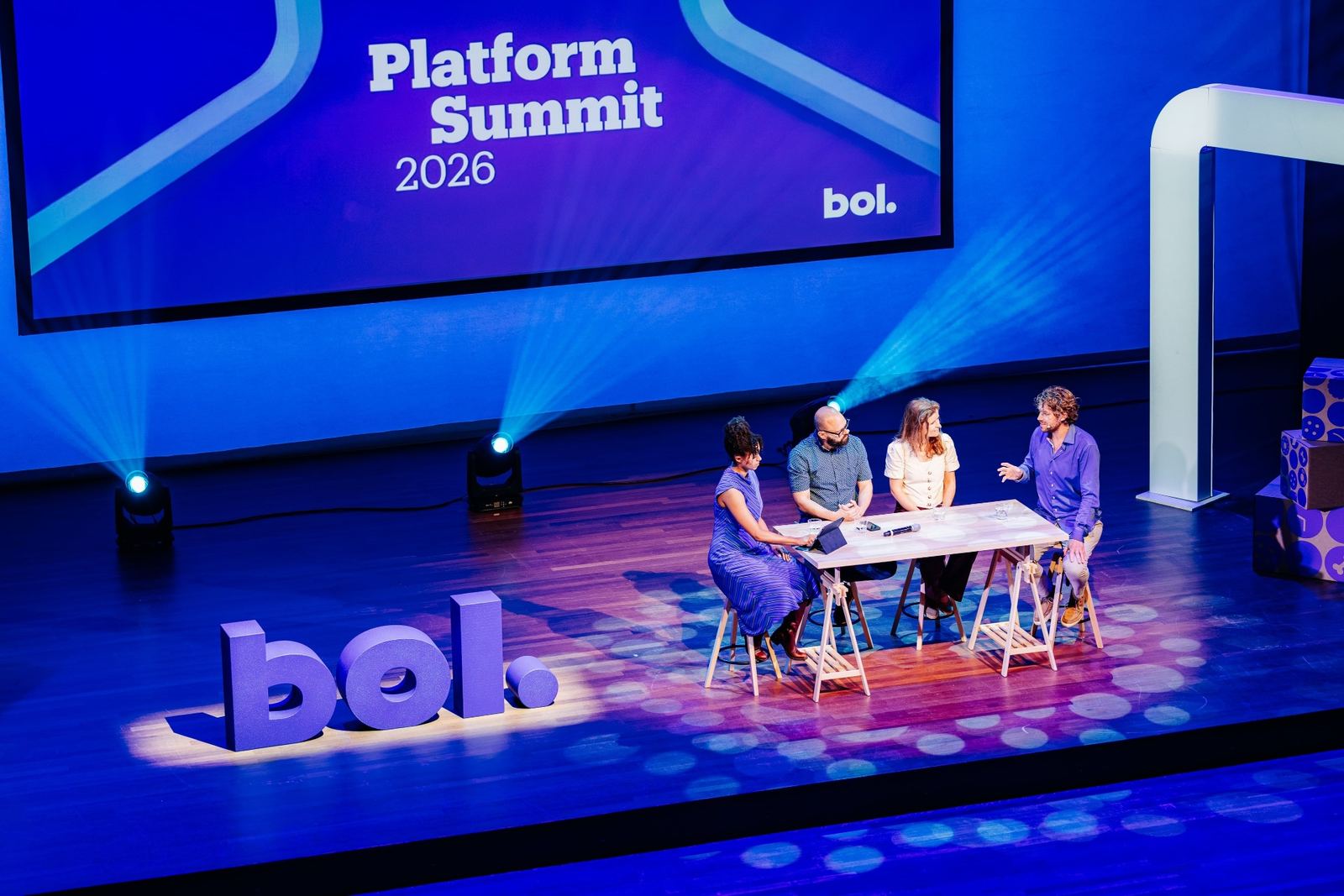

Job van den Berg is an AI keynote speaker, tech entrepreneur and author of five books on AI. He ships AI agents into production every week and delivers 150+ keynotes a year on AI agents and agentic commerce.
What are open weights and closed-source AI models? Discover the differences and the consequences for costs, privacy, data centers and the AI market.
On EditieNL I discussed whether AI could threaten humanity. About Anthropic researcher Evan Hubinger, agentic AI, the black box, and why we are building faster than we understand.
A simple AI video already costs about 4 litres of water and as much electricity as a 10-watt LED lamp burning for 42 hours. What happens with full films and commercials, and why digital is not automatically sustainable.
AI keeps getting better, yet workplace sentiment about AI is deteriorating. Research shows why adoption is as much a social challenge as a technological one: from the Matthew effect to psychological safety.