Within 7 years more humanoids than people in the office: how Figure AI is reinventing the future of work
According to Brett Adcock, founder and CEO of Figure AI, we are on the cusp of a radical shift. During a conversation with Marc Benioff (Salesforce), he predicted that within five to seven years, more humanoid robots than humans will be active in offices.
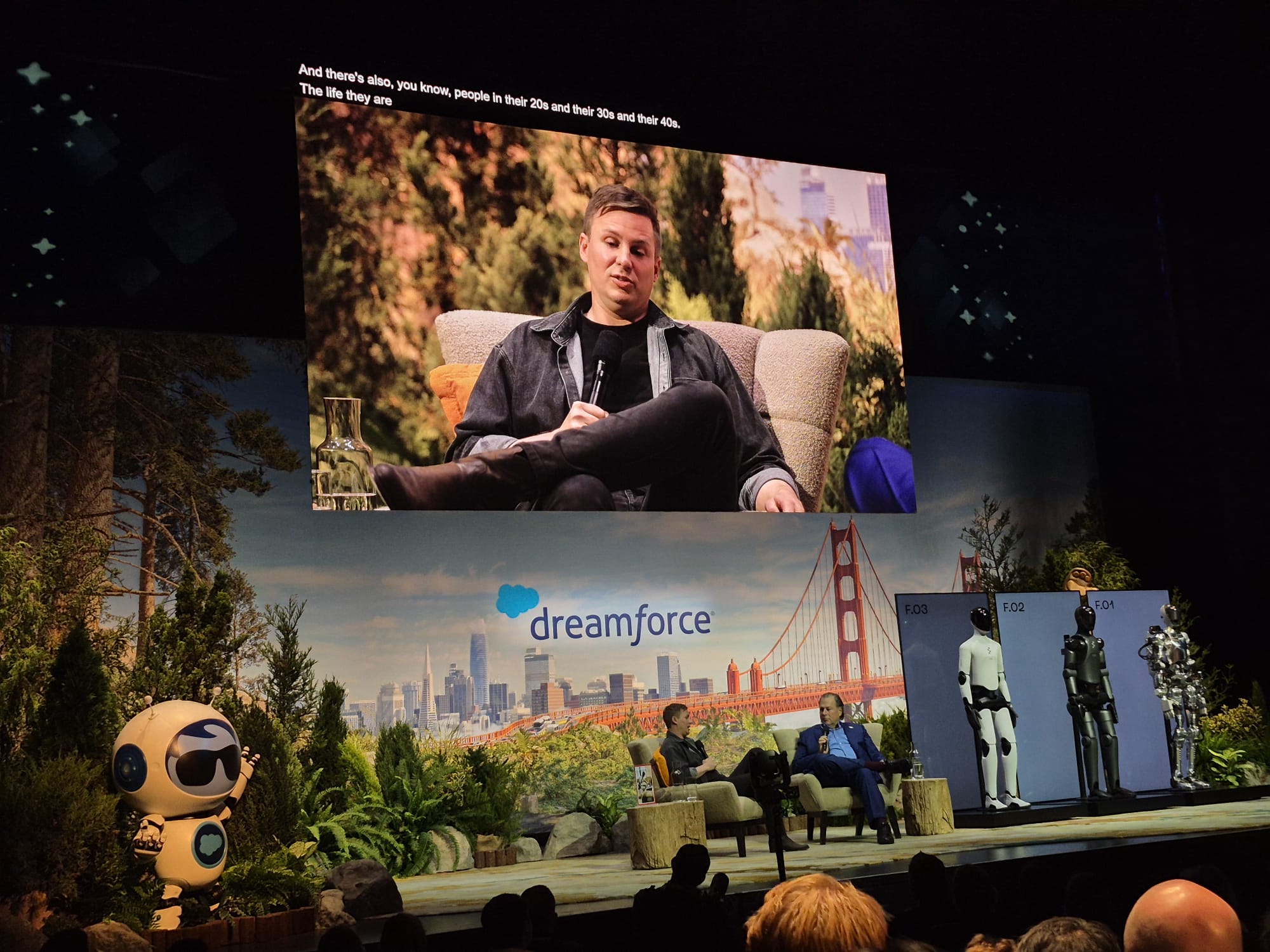
“They will do everything we do now: talk to us in real-time, learn, work. This is not a vision for 2045. This is happening now,” Adcock stated.
It sounds like science fiction, but technology is developing faster than ever. From robotics to artificial intelligence: we are at the beginning of a new era where machines will not only perform tasks but collaborate with people as colleagues.
What Figure AI aims to achieve
Figure AI is working on developing humanoids, robots that can move, listen, talk, and learn independently. Their goal is ambitious: to build robots that can function in virtually any human environment, from offices and factories to restaurants and shops.
Adcock emphasizes that this is not decades away, but within the coming decade.
“Within five to seven years, humanoids will be working alongside us. Next year, we will already have more of them in our own offices than people,” he said.
Hardware is becoming cheaper, production more scalable, and software increasingly smarter thanks to neural networks trained on human data.
From science fiction to daily reality
What once only existed in films like Ex Machina or I, Robot is now becoming reality. At Figure AI, humanoids are already performing complex tasks, from walking and recognizing objects to communicating with people in natural language.
Adcock even described a future where restaurants are entirely run by robots:
“Go into a Burger King in five years. Chances are the burgers will be made by humanoids.”
That sounds futuristic, but companies worldwide are already experimenting with AI-driven labour: from customer service to logistics and production.
The infrastructure behind the humanoids
During the interview, Marc Benioff wondered if this future wouldn't require enormous amounts of computing power – perhaps even a Manhattan-sized datacenter.
Adcock explained that Figure is working on a hybrid model:
- Onboard AI systems that make local decisions,
- linked to cloud data that continuously provides new information.
This creates an ecosystem of self-learning robots that constantly get smarter – a step towards autonomous, connected AI systems that can function anywhere.
What does this mean for our work?
Figure AI’s vision goes beyond technology: it touches the core of our society. If humanoids become commonplace within a few years, our definition of work will fundamentally change.
- Repetitive tasks will disappear or be automated.
- New roles will emerge at the intersection of human and machine.
- Company cultures will need to adapt to collaboration with non-human colleagues.
Adcock emphasizes that the goal is not to replace people, but to empower them. Humanoids can take over dangerous, physically demanding, or monotonous work, allowing people to focus on creativity, empathy, and strategy.
We are literally building science fiction
As Adcock put it:
“We’re literally building sci-fi right now.”
The next ten years will determine how this new “species” – the humanoid – integrates into our world. Not in 2045, but within a single career lifetime. We are at the beginning of an era where the boundary between human and machine blurs, and where collaboration, not replacement, will make the difference.
Conclusion: the future of work is not far away; it is here
The message from Brett Adcock and Marc Benioff is clear: the future of work is no longer a distant dream, but a rapidly approaching reality. Humanoids will secure a permanent place in the workplace as colleagues, assistants, and innovators. The companies that learn to collaborate with AI and robotics today will be the leaders of a completely new economy tomorrow.
- Best AI tools
- GEO: findable in AI search engines
- Writing AI prompts
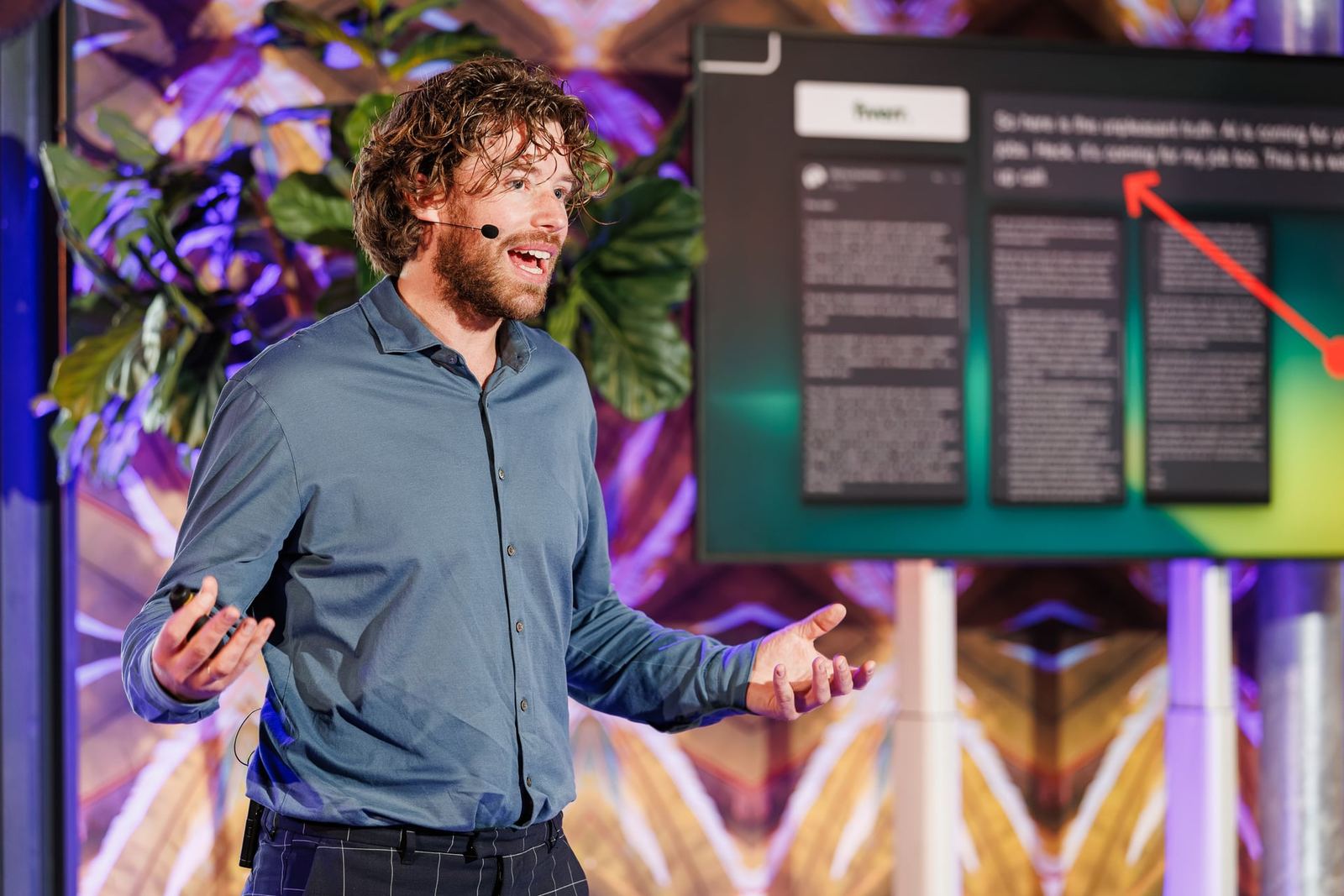
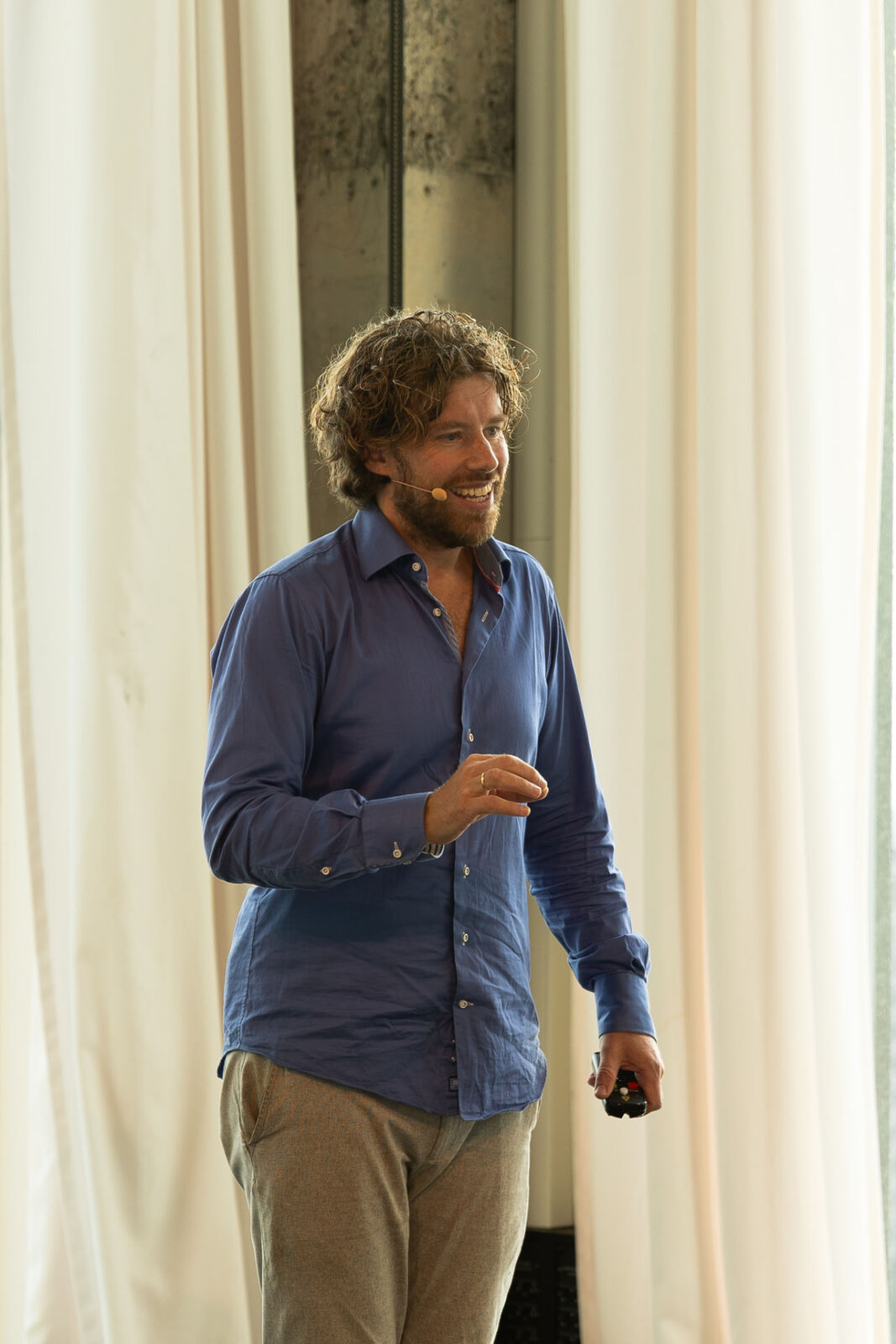
Job van den Berg is an AI keynote speaker, tech entrepreneur and author of five books on AI. He ships AI agents into production every week and delivers 150+ keynotes a year on AI agents and agentic commerce.
What are open weights and closed-source AI models? Discover the differences and the consequences for costs, privacy, data centers and the AI market.
On EditieNL I discussed whether AI could threaten humanity. About Anthropic researcher Evan Hubinger, agentic AI, the black box, and why we are building faster than we understand.
A simple AI video already costs about 4 litres of water and as much electricity as a 10-watt LED lamp burning for 42 hours. What happens with full films and commercials, and why digital is not automatically sustainable.
AI keeps getting better, yet workplace sentiment about AI is deteriorating. Research shows why adoption is as much a social challenge as a technological one: from the Matthew effect to psychological safety.